7 Simple Ways to Support Your Energy Naturally

7 Simple Ways to Support Your Energy Naturally
Do you ever reach the middle of the afternoon and feel as though somebody has quietly unplugged your batteries?
You’re not alone.
When energy levels drop, it’s tempting to immediately reach for coffee, an energy drink or a supplement promising to put the spring back in your step.
But before we start shopping for powders and potions, it’s worth looking at the basics.
Here are 7 simple ways to support your energy naturally through everyday habits.
1. Make Sleep Your Starting Point
If your energy is low, sleep is one of the first places to look.
Most healthy adults need around 7 to 9 hours of sleep each night, although individual needs vary.
Quality matters too.
You can spend eight hours in bed and still wake up feeling tired if your sleep is frequently interrupted or your routine is inconsistent.
Try creating a regular bedtime and waking time and giving yourself some time to wind down before bed.
If you’re constantly tired despite apparently getting enough sleep, don’t simply assume you need more caffeine.
Start with our guide:
Why Do I Feel Tired All the Time? 8 Everyday Causes of Low Energy
2. Don’t Forget the Simplest Energy Drink: Water
Before reaching for an energy drink, have you had enough water?
Not drinking enough fluid can lead to dehydration, and tiredness can be one of the symptoms.
For most people, the goal doesn’t need to involve obsessively measuring every millilitre.
A useful everyday indicator is aiming for urine that’s a clear, pale yellow colour.
Your fluid requirements can increase when you’re exercising, sweating heavily, spending time somewhere hot or recovering from illness.
Water is usually a perfectly good place to start.
And if you’re wondering where electrolytes fit into the picture, read:
WhatAre Electrolytes and Why Does Your Body Need Them?
3. Eat Regularly Rather Than Waiting Until You’re Running on Empty
Food is fuel — although that doesn’t mean you need to spend your day calculating every mouthful.
A varied, balanced diet helps provide the nutrients and energy your body needs.
Regular meals can also be more practical than getting so hungry that the office biscuit tin suddenly looks like a nutritionally complete meal.
Think about building meals around a mixture of foods such as:
- Fruit and vegetables
- Higher-fibre carbohydrates
- Protein sources
- Dairy or suitable alternatives
- Small amounts of unsaturated fats
There isn’t one magical food that creates unlimited energy.
Your overall eating pattern matters far more than whichever “superfood” happens to be trending this week.
4. Move More — Even When You Don’t Feel Like It
This sounds slightly backwards.
You’re tired, so Emma tells you to move more.
Thanks, Emma.
But regular physical activity can help support energy, sleep, mood and general wellbeing.
And exercise doesn’t have to mean an exhausting gym session.
A brisk walk, cycling, swimming, gardening or another activity you enjoy all count.
If you’ve been inactive, start small and gradually build up.
A short walk that you actually do is considerably more useful than an ambitious two-hour workout that remains permanently scheduled for “next Monday”.
5. Take Stress Seriously
Mental exhaustion can feel every bit as real as physical tiredness.
Work pressures, family responsibilities, money worries and simply having too much going on can leave you feeling drained.
Try deliberately creating small periods where your brain isn’t being asked to solve another problem.
That might mean:
- Going for a walk
- Reading
- Listening to music
- Spending time outdoors
- Seeing friends
- Relaxation exercises
- Doing something you genuinely enjoy
You don’t need to turn relaxation into another task you’re failing to complete.
Even small breaks can be worthwhile.
6. Use Caffeine Strategically — Not Automatically
I like this one because caffeine often gets treated as either a miracle or a villain.
It’s neither.
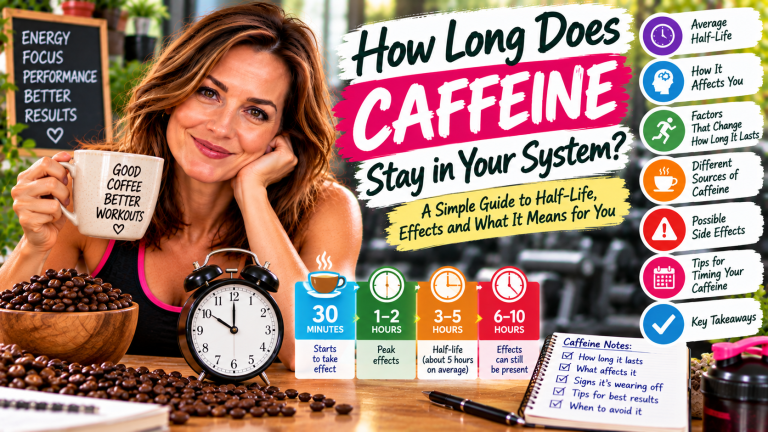
Caffeine is a stimulant and can temporarily increase alertness.
But it doesn’t replace sleep.
If you’re tired, drink coffee, struggle to sleep and then need more coffee the following day, it’s worth looking at the timing of your caffeine.
We’ve already explored this in:
How Long Does Caffeine Stay in Your System?
You can also read:
What Is Natural Caffeine? Sources, Effects & What to Know
And if you’re deciding between your usual coffee and a workout supplement:
Coffeevs Pre-Workout: What’s the Difference?
The goal isn’t necessarily to eliminate caffeine.
It’s to understand what you’re consuming, how much you’re getting and when you’re taking it.
7. Don’t Assume You Need an Energy Supplement
This is where wellness marketing gets interesting.
If somebody feels tired, selling them something labelled ENERGY is relatively easy.
But tiredness doesn’t automatically mean you have a nutrient deficiency or need a supplement.
Before buying one, ask:
- Why am I taking this?
- What ingredients does it contain?
- How much of each ingredient am I getting?
- Does it contain caffeine?
- Am I already getting the same ingredients elsewhere?
- What evidence supports the claims?
Our guide to supplement labels can help:
How to Read a Supplement Label: 10 Things to Check Before You Buy
🌿 Emma’s 7-Day Energy Check
Instead of changing everything overnight, spend the next week noticing these seven things:
- ☑ What time did I go to bed?
- ☑ Did I wake feeling refreshed?
- ☑ Did I drink regularly during the day?
- ☑ Did I eat regular, balanced meals?
- ☑ Did I get some movement?
- ☑ How stressed did I feel?
- ☑ How much caffeine did I have — and how late?
You may start spotting patterns you hadn’t noticed before.
Perhaps the afternoon slump follows a poor night’s sleep.
Maybe your last coffee is much later than you realised.
Or perhaps you’ve been so busy that lunch has quietly become coffee and a biscuit.
The aim isn’t perfection. It’s awareness.
🔎 Emma Investigates: What Does “Natural Energy” Actually Mean?
You’ll see the word “natural” on plenty of energy products.
But don’t let one attractive word make the decision for you.
A product containing caffeine from a plant source still contains caffeine.
Instead of judging a supplement by the front of the tub, turn it around.
Look at:
- The complete ingredient list
- The amount per serving
- The caffeine content
- The recommended serving
- Warnings and directions
- Whether the claims actually match the ingredients
The front sells the product. The label tells you what’s actually inside it.
That’s the approach we’ll use when Emma investigates individual wellness products.
What About Pre-Workout for Energy?
Pre-workout supplements are designed primarily around exercise rather than solving everyday tiredness.
Some contain caffeine and other ingredients intended to support workout performance.
If you’re interested in them, understand what you’re taking before deciding whether one fits your needs.
Start here:
What Is Pre-Workout and What Does It Do?
And for timing:
WhenShould You Take Pre-Workout? Timing Explained
When Low Energy Isn’t Just a Lifestyle Problem
There’s an important distinction between occasionally feeling a bit tired and experiencing persistent or unexplained fatigue.
Low energy can sometimes have an underlying medical cause.
If you’ve been feeling tired for several weeks and don’t know why, your tiredness is affecting everyday life, or you’re experiencing other concerning symptoms, speak with your GP or another qualified healthcare professional.
Don’t try to diagnose the cause yourself with supplements, social media posts or wellness articles.
The Bottom Line
If you want to support your energy naturally, you don’t necessarily need an expensive morning routine involving twelve supplements and a blender powerful enough to wake the neighbours.
Start with the basics:
- Prioritise sleep.
- Stay hydrated.
- Eat regularly and aim for a balanced diet.
- Move your body regularly.
- Make time to manage stress.
- Use caffeine thoughtfully.
- Don’t automatically assume you need supplements.
None of these is particularly glamorous.
That’s probably why nobody is selling them in a shiny tub for £39.99.
But good everyday habits provide the foundation that supplements simply can’t replace.
Health disclaimer: This article provides general wellness information and isn’t medical advice or a diagnosis. Persistent or unexplained tiredness can have many causes. Speak with a qualified healthcare professional if you’re concerned about your energy levels, symptoms, diet, medication or supplement use.