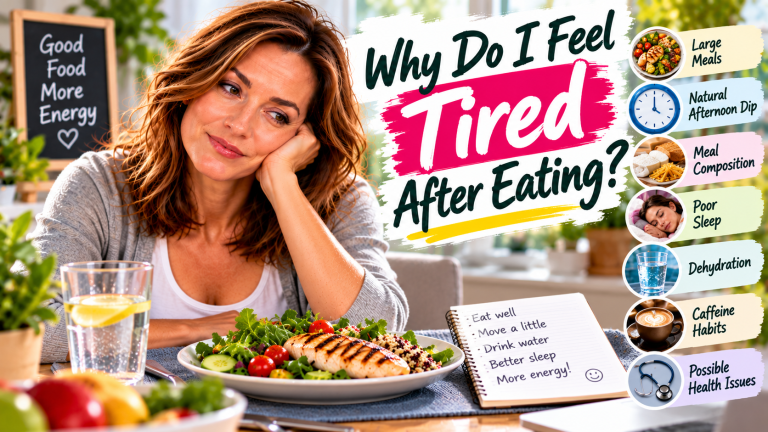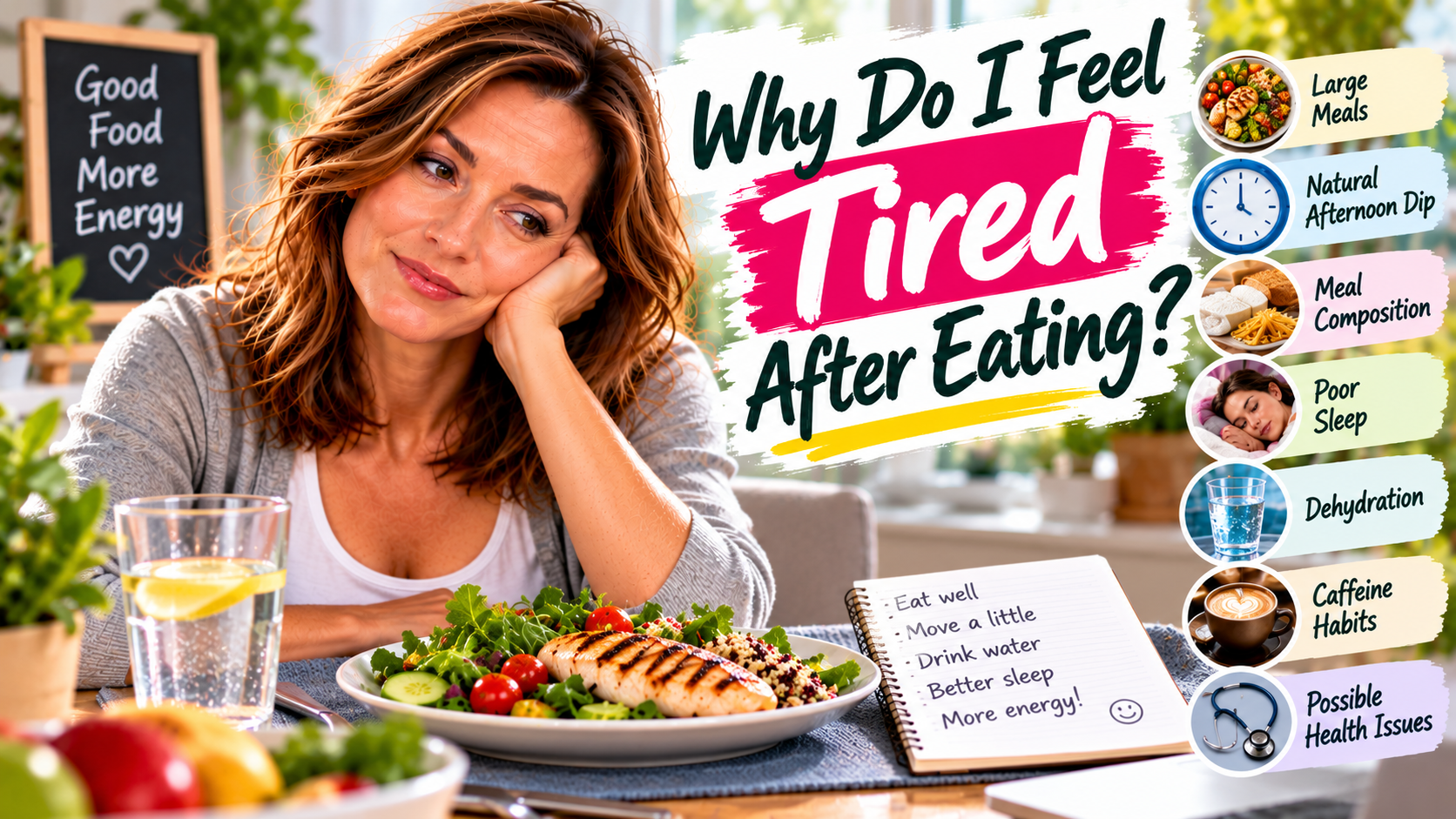
Why Do I Feel Tired After Eating? 7 Possible Reasons
 Why Do I Feel Tired After Eating? 7 Possible Reasons
You’ve just finished lunch.
You’ve eaten a perfectly normal meal, returned to your desk, and suddenly your eyelids feel as though they’ve been fitted with tiny weights.
Sound familiar?
Feeling sleepy after eating is surprisingly common. It’s sometimes called *postprandial somnolence* — a rather complicated name for something most of us simply call the **afternoon slump**.
But why does it happen?
And more importantly, is there anything you can do about it?
Let’s explore seven possible reasons you might feel tired after eating.
## 1. Your Body Has a Natural Afternoon Dip
Here’s something interesting: that sleepy feeling after lunch isn’t necessarily caused by your lunch.
Your body follows a natural daily rhythm, known as your circadian rhythm, which influences alertness and sleepiness.
Many people experience a dip in alertness during the early afternoon.
If you’ve just eaten a meal, the combination can make you feel particularly sleepy.
**Emma’s tip:** If possible, take a short walk or get some daylight after lunch rather than immediately settling into a comfortable chair.
## 2. Large Meals Can Make You Feel Sleepier
Ever finished a huge Sunday roast and felt ready for a nap?
You’re certainly not the only one.
Larger meals can be associated with greater feelings of sleepiness after eating.
The size and composition of your meal may influence how alert you feel afterwards.
That doesn’t mean you should avoid eating properly.
Instead, consider whether smaller, balanced meals suit your daily routine better than one enormous lunch.
## 3. Your Meal Composition May Play a Part
What you eat can influence how you feel afterwards.
Meals containing large amounts of refined carbohydrates may produce relatively rapid changes in blood glucose, although responses vary between individuals.
Protein, fibre and fats can influence digestion and the rate at which carbohydrates are absorbed.
Rather than blaming one food group, aim for balanced meals.
For example, a lunch might include:
– Wholegrain bread or brown rice
– Chicken, eggs, beans or tofu
– Vegetables or salad
– A little olive oil or another unsaturated fat
You don’t need a complicated diet to eat sensibly.
And you certainly don’t need to declare war on carbohydrates.
## 4. You Might Not Be Getting Enough Sleep
Sometimes lunch gets blamed for tiredness that actually started the night before.
If you’re regularly sleeping poorly, you may notice daytime sleepiness more strongly.
Most adults generally need around seven to nine hours of sleep, although individual requirements vary.
Consider your bedtime routine, sleep environment and whether caffeine late in the day might be interfering with your rest.
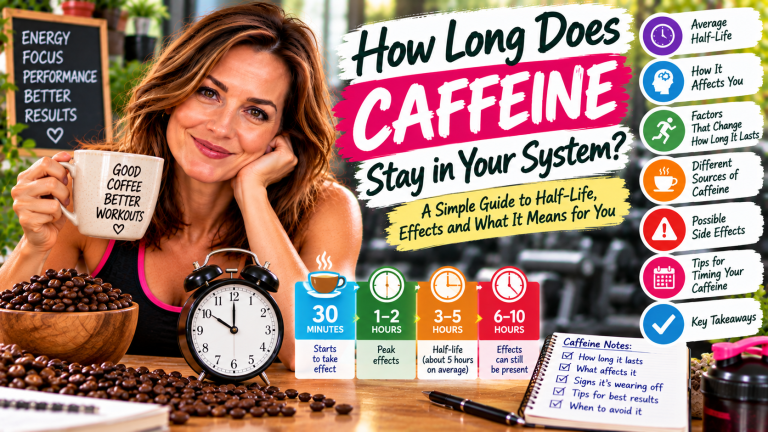
**Related reading:** How Long Does Caffeine Stay in Your System?
## 5. Dehydration Could Be Contributing
When you’re busy, it’s surprisingly easy to forget to drink.
Mild dehydration can contribute to tiredness and difficulty concentrating.
That doesn’t mean drinking a glass of water will instantly cure every afternoon energy slump.
But staying adequately hydrated is a sensible everyday habit.
Try keeping water nearby throughout the day, particularly if you’re active or spending time somewhere warm.
**Related reading:** What Are Electrolytes and Why Does Your Body Need Them?
## 6. Your Caffeine Habits Might Be Working Against You
Here’s a familiar routine:
You wake up tired.
You drink coffee.
You feel more alert.
You have another coffee in the afternoon.
Then you struggle to sleep that night.
And tomorrow?
The whole routine starts again.
Caffeine can temporarily improve alertness, but it doesn’t replace proper sleep.
Its effects and the time it remains in your system vary between individuals.
If you regularly feel tired after lunch, it may be worth reviewing your overall sleep and caffeine habits rather than automatically increasing your intake.
**Related reading:** Coffee vs Pre-Workout: What’s the Difference?
## 7. Sometimes There May Be an Underlying Health Issue
Occasional sleepiness after eating is often harmless.
However, persistent or unusually severe tiredness deserves attention.
Certain medical conditions, sleep disorders, medicines and blood glucose problems can contribute to fatigue.
If you regularly experience significant tiredness, particularly alongside symptoms such as excessive thirst, frequent urination, dizziness, fainting or unexplained weight changes, speak with your GP.
Don’t assume a supplement or dietary change will solve an unexplained medical problem.
## 5 Simple Ways to Manage the Afternoon Slump
Here are five practical habits worth trying:
1. **Eat balanced meals.** Include a variety of foods rather than relying heavily on refined carbohydrates.
2. **Take a short walk.** Gentle movement after eating may help you feel more alert.
3. **Stay hydrated.** Drink regularly throughout the day.
4. **Prioritise sleep.** Look at your nighttime routine before relying on more caffeine.
5. **Notice patterns.** Keep track of when you feel sleepy and whether certain meal sizes, sleep habits or routines make a difference.
You don’t have to change everything at once.
Start with one habit and see whether it helps.
## 🔎 Emma Investigates: Do You Need an Energy Supplement After Lunch?
Walk into almost any supplement shop and you’ll find products promising energy, focus and mental performance.
But feeling sleepy after lunch doesn’t automatically mean you need a supplement.
Some energy products rely heavily on caffeine.
Others contain vitamins, minerals or mixtures of ingredients marketed for energy.
Before buying anything, ask:
– What is actually causing my tiredness?
– Does this product contain caffeine?
– How much caffeine is in each serving?
– Is there evidence that the ingredients help with my particular problem?
– Could the product interfere with my sleep?
– Are there any warnings or interactions I should consider?
Remember, **a product labelled “energy” doesn’t necessarily address the reason you’re tired.**
For more help, read our guide: *How to Read a Supplement Label: 10 Things to Check Before You Buy.*
## The Bottom Line
Feeling tired after eating doesn’t automatically mean there’s something wrong with you.
Meal size, your natural body clock, sleep quality, hydration and eating habits can all play a part.
For occasional afternoon sleepiness, simple adjustments may be useful.
But if your tiredness is persistent, severe or unexplained, speak with a healthcare professional rather than trying to diagnose yourself.
And remember, you don’t necessarily need an expensive supplement to survive the afternoon.
Sometimes a sensible lunch, a little fresh air and a better night’s sleep are a much better starting point.
*Emma Hart Wellness — Simple wellness made easier to understand.*
—
**Health disclaimer:** This article provides general educational information and is not medical advice. If you experience persistent or unexplained fatigue, or symptoms that concern you, seek advice from a qualified healthcare professional.